Resources and Planning
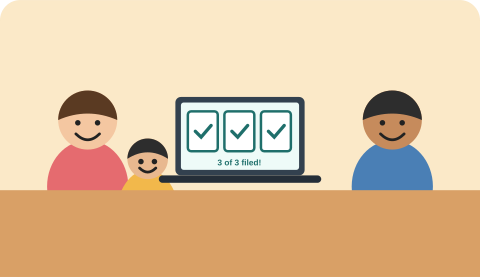 What to file first if you only do three thingsFile one ID, a will or a note if you have no will yet, and one Legacy Steward. LegaSafe stores what you already decided. It does not draft the documents.
 Who should be your Legacy StewardA Legacy Steward is the person who finds the plan and follows it. Choose someone calm and easy to reach, tell them while you are healthy, and start with one.
 Will vs. trust, in plain languageA will takes effect after death. A trust is a container you create while alive. Neither helps if the signed original is missing. This is not legal advice.
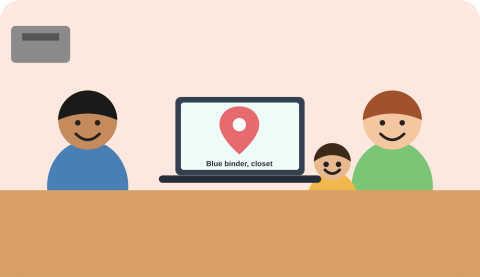 Where the paper copy should liveThe vault holds a copy. Write one specific line for where the paper original lives, tell your Legacy Steward, and update that line if the papers move.
 What not to store (passwords, full account numbers)Store how to find an account, not the secret that opens it. Leave out passwords and full numbers. File the institution, the type, and where statements live.
 Funeral wishes your family actually needsYour family will be asked burial or cremation, which funeral home, who to call, and whether you want a gathering. File those facts now so they are not guessing.
 Insurance cards your spouse can't findFor each policy, file the company, what it covers, and where the card is. A photo of the front helps. The full account number is not required to start.
 Talking to adult children about the planAdult children need three facts: a plan exists, who the Legacy Steward is, and where the originals live. They do not need every balance or a private letter.
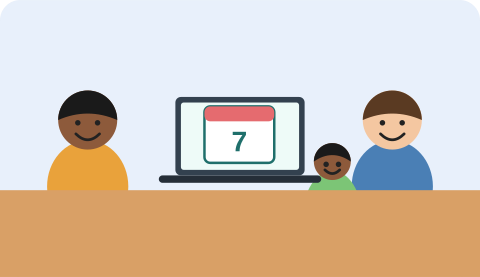 How the 7-day pending release worksA death notice starts a 7-day pending release. Assigned documents stay sealed, and you can abort the wait. When it ends, those files open and edits lock.
 What Peace of Mind adds after the free threePeace of Mind is $1.99 a month: 50 documents, up to 3 Legacy Stewards, and more modules after the free three. Personal Letters stay on Legacy Complete.